Step 1
Free assessment, 100% online
Answer some questions about your health history, lifestyle, and goals via our online medical intake.
Take the assessment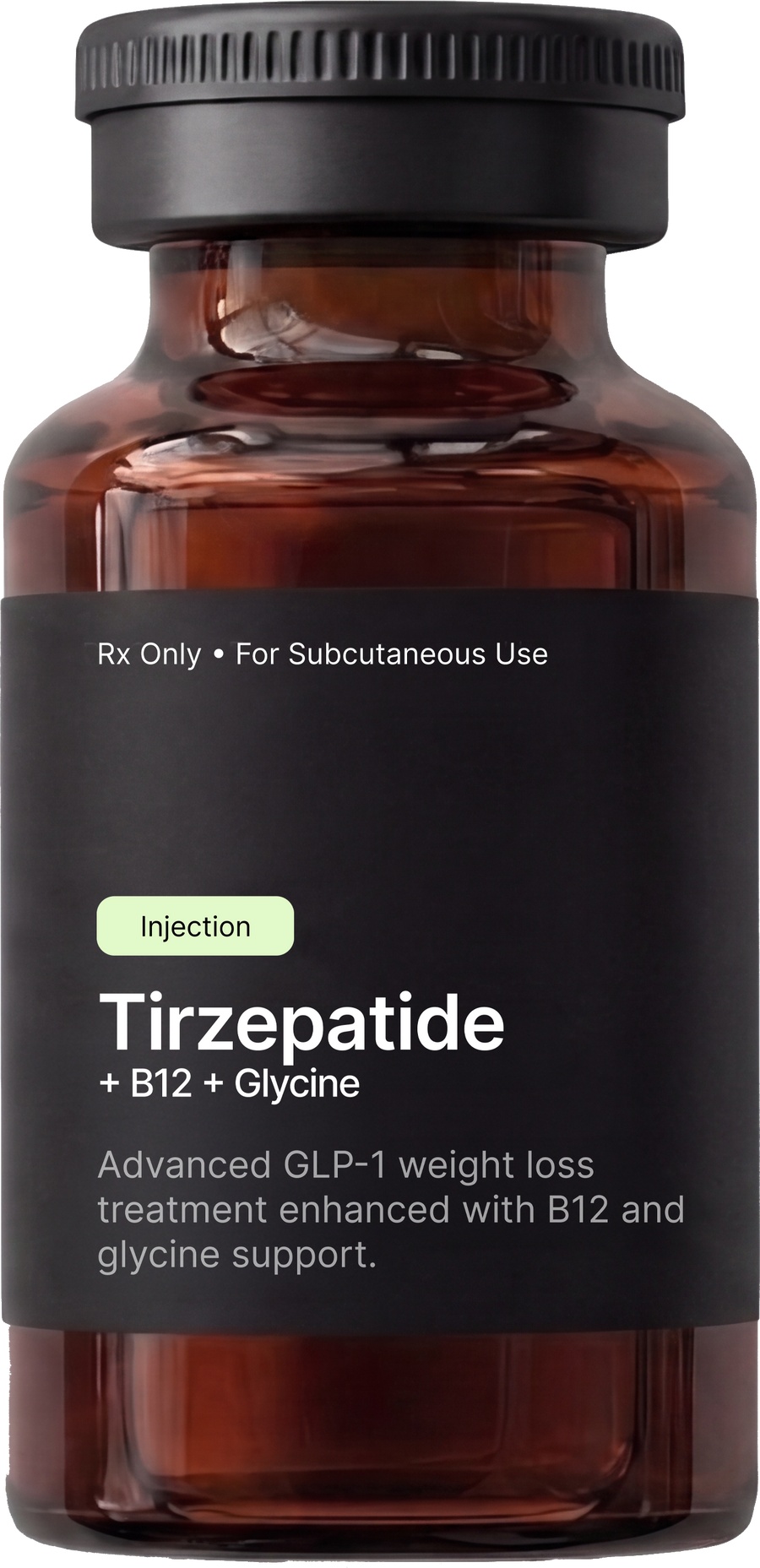


Compounded tirzepatide
Activates both GLP-1 and GIP receptors. Lower doses can reduce side effects while preserving some of the key metabolic benefits.
The exact formulation and dispensing pharmacy depend on clinical review, your state, and current fulfillment availability.
GLP-1 injections may cause nausea, diarrhea, or vomiting. To help manage symptoms while your body adjusts, eligible patients may add a fast-acting anti-nausea medication.
Answer some questions about your health history, lifestyle, and goals via our online medical intake.
Take the assessmentA licensed medical provider will review your information and determine if medication is right for you.
Find out if I am eligibleIf prescribed, your medication is cold-shipped directly to your door at no extra cost.
Get startedThere has been growing scientific data suggesting that GLP-1 agonists are beneficial for longevity via several mechanisms that are independent from weight loss.

Third Avenue Clinical Team
Board-certified physicians & researchers
Why GLP-1s
Charts and references are illustrative representations intended to communicate published research findings and the known pharmacologic properties of a medication class. They do not establish that any specific formulation or treatment program will produce identical results. Compounded medications are not evaluated by the FDA for safety, quality or efficacy.
How GLP-1 RA works
Tirzepatide is a dual GLP-1 and GIP receptor agonist that mimics two gut hormones. Receptors are located in the brain, gut, heart, and pancreas, where activation supports appetite regulation, blood sugar balance, and metabolic function.
Your gut releases two metabolic hormones after eating: GLP-1 and GIP. Both regulate blood sugar, appetite, and energy use, but they break down in minutes. Tirzepatide activates both pathways and lasts roughly 5 days.
Research suggests that low-dose tirzepatide can activate longevity-relevant pathways including moderate weight loss, glycemic control, and anti-inflammatory effects.
Tirzepatide side effects may scale with dose. In clinical trials, cutting the dose from 15 mg to 5 mg reduced nausea by one-third.
Treatment plans designed around your goals. No wait lists.
No membership fees, no hidden costs. Pay only after a doctor prescribes.
Specialist physicians licensed in your state, with unlimited messaging.
Every protocol is built by medical experts based on longevity research.
Titration matched to your goals and tolerance.
Tirzepatide activates longevity pathways tied to weight loss, glycemic control, and reduced inflammation by engaging both GLP-1 and GIP — the gut hormone signals that regulate appetite, blood sugar, and how the body stores and uses energy. Early research suggests these pathways may retain healthspan benefits even at lower doses, opening the door to personalized protocols that preserve the metabolic effects while often reducing side-effect burden.
Tirzepatide Microdose is available in a weekly injectable form. Your provider will determine which medication and dose is appropriate for you. Always follow instructions from your doctor.
Higher doses of tirzepatide are associated with more side effects. At full dose, the most common side effects are nausea, vomiting, diarrhea, constipation, abdominal discomfort, and decreased appetite. Lower doses and slower titration can reduce the frequency of these side effects. Your provider will discuss side effects with you, along with dosing instructions.
Not recommended for people with a personal or family history of medullary thyroid cancer or MEN2. Your doctor will evaluate whether Tirzepatide Microdose is appropriate for you.